Featured on PDR in the collection The Language of Form: Lothar Schreyer’s Kreuzigung (1920)
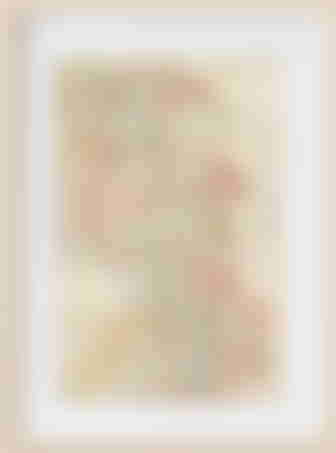
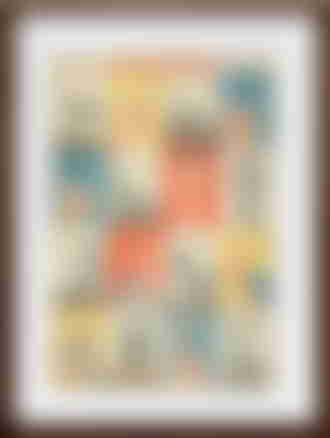
When Kreuzigung, or Crucifixion, premiered in 1920, it was the culmination of at least one hundred rehearsals. Yet like most of the works by German expressionist dramaturg Lothar Schreyer, it would be performed only a handful of times. For Schreyer, the performances he choreographed were transient and “unrepeatable”: a source of “newly creative forces for the transformation of humanity”. Actors emoted behind hulking, geometric, full-body masks, moving across spare and abstracted sets. The audience was limited to the tight-knit expressionist creative circle, and after mixed reactions to his earlier works — critics panned his workshop’s first performance, a 1918 staging of the opera Sancta Susanna, as “secret speech and limb exercises” — Schreyer personally asked the press not to attend. Yet, he remembers, “we wanted…
Also appearing in the collection…


fremden Mensch
Date
1920
From
Kreuzigung: Spielgang Werk VII
Digital Rights
- Labelled “Free to use without restriction" or “public domain”
- See their general rights page
- We offer this info as guidance only
Image Size
6112 x 4112