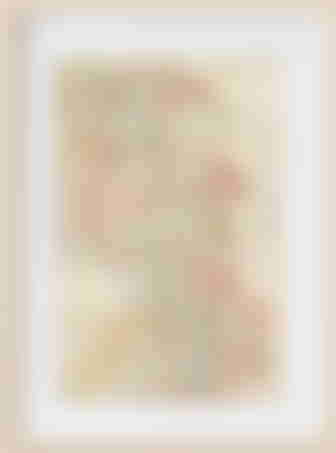
Featured on PDR in the collection Filippo Balbi’s Testa Anatomica (1854)
Of all the objects of daily sixteenth-century life — fruit, flora, fish and more — from which the Italian painter Giuseppe Arcimboldo made faces appear, the human body itself was not seemingly among them. The Pompidou houses a pair of late Rennaisance works in which the heads of Adam and Eve are formed from a wriggle of youths, but it is attributed to Arcimboldo's studio rather than the master himself. It’s not until Arcimboldo-esque works of the nineteenth century that we see the human figure used frequently in composite heads, and perhaps nowhere so strikingly as in fellow Italian artist Filippo Balbi’s Testa Anatomica (1854). If the tussle of youthful bodies that form the Pompidou’s Edenic duo points somehow to an innocence lost, in Balbi’s…
Also appearing in the collection…
Artist
Date
1854

- Available up to size large
- Exceptional quality, from $32 including delivery
- Archival inks on high grade art paper
- Framed option with solid wood and ready to hang
Image Size
946 x 1200